How Does a Fully Automatic Blowing Machine Work?
2026-04-18
Understand the step-by-step working process of a fully automatic bottle blowing machine, from preform loading to bottle ejection, for efficient PET bottle production.
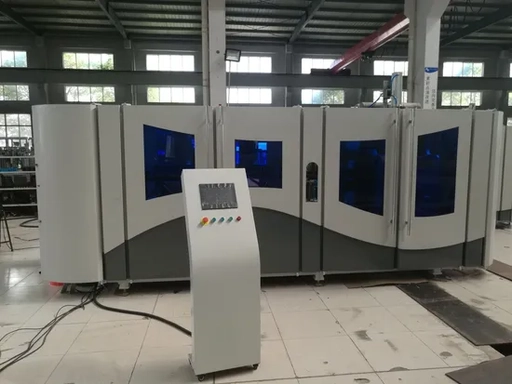
The operation of a fully automatic bottle blowing machine is a precise, synchronized process that consists of six key stages, all controlled by an intelligent HMI (Human-Machine Interface) system to ensure high efficiency, consistency, and low defect rates. Each stage is designed to work seamlessly with the next, eliminating gaps in production and reducing manual intervention to a minimum.
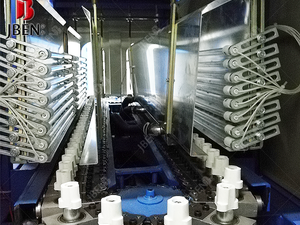
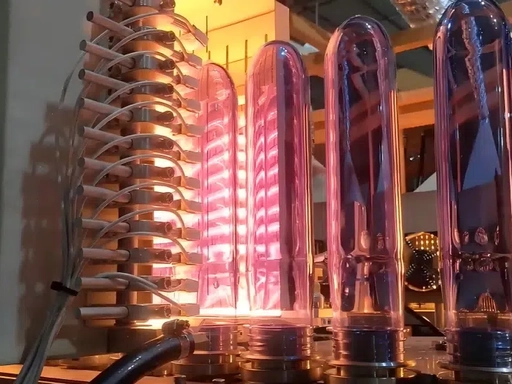
First, the preform loading stage: PET preforms (small, tube-shaped plastic blanks) are automatically fed into the machine via a conveyor belt or feeding hopper, ensuring a steady supply of materials without manual handling. Next, the heating stage: the preforms pass through a specialized infrared oven, where they rotate continuously to ensure uniform heating. This uniform heating is critical—too much heat can deform the preform, while too little heat will prevent it from stretching properly.
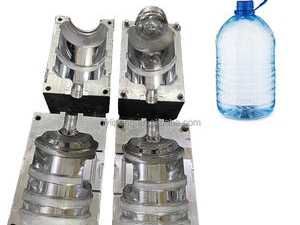
Third, the stretching stage: a precision stretch rod moves downward to elongate the heated preform axially, creating the basic structure of the bottle’s body. Then comes the blowing stage: high-pressure air (typically 20-40 bar) is injected into the stretched preform, forcing it to expand and conform to the shape of the mold. The mold’s design determines the final shape, size, and texture of the bottle.
After blowing, the cooling stage begins: the mold is cooled rapidly using cold water or air, which solidifies the plastic and ensures the bottle retains its shape once removed from the mold. Finally, the ejection stage: the finished bottles are automatically unloaded from the mold and conveyed to a packaging or inspection line, completing the production cycle.
Key Advantages of Fully Automatic Blow Molding Machines
What Is a Fully Automatic Bottle Blowing Machine?
Related Article